U.N. admits exceeding Paris Agreement’s 1.5-degree-C warming target is ‘unavoidable’

The world is set to blow past the Paris Agreement’s longtime threshold “within the next few years,” according to a new report
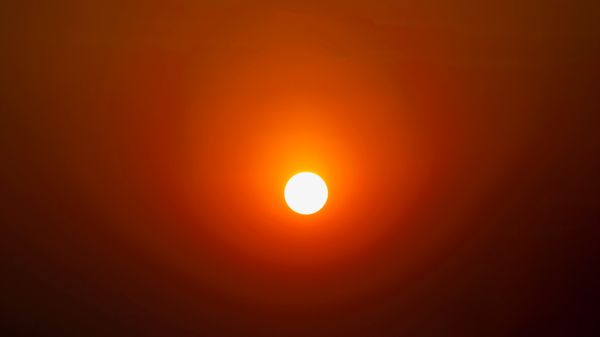
chuchart duangdaw/Getty Images
The world is on track to exceed the Paris Agreement’s target of no more than 1.5 degrees Celsius (2.7 degrees Fahrenheit) of warming above preindustrial temperatures within the next few years, the United Nations admits in a new report.
The report from the U.N. Environment Program (UNEP) states that exceeding the 1.5-degree-C threshold is “unavoidable” and likely to occur “within the next few years.” Even under an “optimistic scenario,” the report says, global temperatures are expected to peak at 1.8 degrees C (3.24 degrees F) above preindustrial levels.
The forecast has been released less than a year after the U.N.’s climate change lead Simon Stiell told attendees at the organization’s annual climate conference in Brazil that the 1.5-degree-C goal may remain “within reach.”
On supporting science journalism
If you're enjoying this article, consider supporting our award-winning journalism by subscribing. By purchasing a subscription you are helping to ensure the future of impactful stories about the discoveries and ideas shaping our world today.
“I’m not saying we’re winning the climate fight. But we are undeniably still in it, and we are fighting back,” he said.
Now the report urges the world to prepare for life past 1.5 degrees C of warming. As the planet heats up, the world is likely to see severe harms such as worsening heat waves, greater sea-level rise, extensive flooding and the possible collapse of coral reefs, as well as “profound changes” to glaciers, permafrost and other parts of the planet that are reliant on cold temperatures, the authors write.
The report comes hot on the heels of a summer marked by climate-related disasters and extreme weather, including record-breaking heat, extensive wildfires and a devastating flood in Nepal and Tibet. A strong El Niño that is forecast to peak in December could exacerbate heating, and 2027 could break the record for hottest year, scientists say.
If the report has any good news, it’s that the U.N. maintains that the warming trend is reversible with urgent action—even as many countries, and particularly the U.S., roll back climate protections and scale down clean-energy projects. Indeed, the U.S., the globe’s biggest historical greenhouse gas emitter, officially pulled out of the Paris Agreement in January.
“Every fraction of a degree avoided and every year by which overshoot is shortened will save lives, protect ecosystems and reduce economic losses,” the authors write.
Subscribe to Support Independent Journalism
Great science journalism requires human expertise, time, effort and creativity. And it costs money. That’s why I and the journalists here at Scientific American hope you’ll join our community.
When you subscribe, you are supporting staff and freelance journalists who are passionate about telling science stories that are true, important and compelling. Our editors and reporters are often experts in their fields, which means they understand the nuances of big discoveries and can untangle the breakthroughs from the hype. With a subscription, you are also supporting rigorous fact-checking to ensure the words we publish are precise and accurate. And you’re supporting original illustrations, graphics and photos that bring you closer to an advanced laboratory, an ice sheet in Antarctica or a space mission in orbit. You’re helping us craft other types of high-quality journalism as well: Our newsletters are carefully written, edited and curated by staffers you have or will come to know and love. Our Science Quickly podcast is based on original reporting, collaboration with editors and scientists and exacting production.
Subscriptions keep this engine running so we can continue to deliver thoughtful, rigorous and independent science journalism to you. In an era of viral misinformation, this work is crucial. If you value what we do, I hope you’ll consider joining us as a subscriber