Muse gadgets are open source devices you build yourself. Program an off-the-shelf ESP32 board or set up a Raspberry Pi with our SDKs, then connect Muse to your displays, buttons, sensors, actuators, and whatever else you’ve got lying on your workbench.
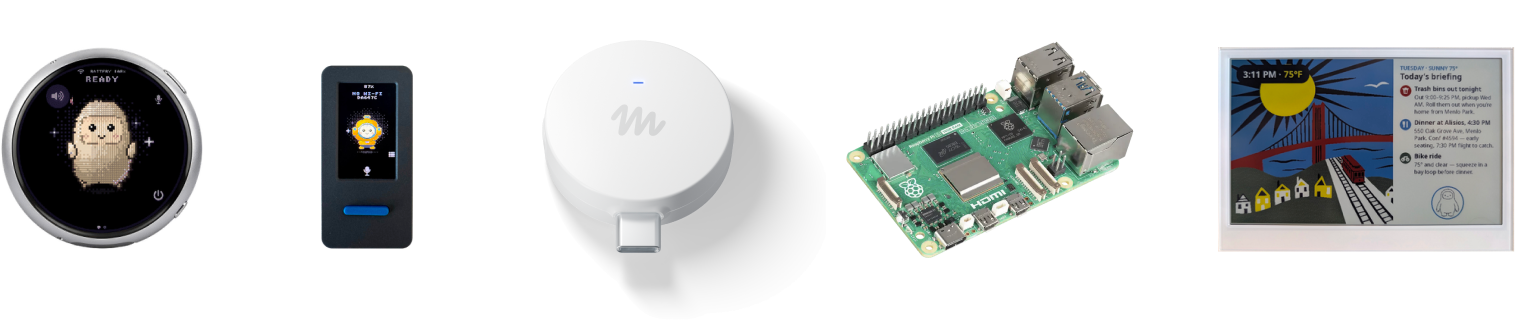
01 / ON YOUR HARDWARE
Make your own
We open sourced the code you need to make a Muse gadget. It’s built by hackers, for hackers, just for fun. Side effects of tinkering may include bricked boards, voided warranties, brownouts, or bankruptcies. Proceed at your own risk!
Get started by grabbing an SDK token and one of our featured project ideas. Then tinker and customize to your heart’s delight. Or build support for an entirely new board if that’s more your thing.
ESP32 Device SDK
Connect your ESP32 board to Muse through our open source SDK. Throw in a screen to show images, add audio in and out, or wire up other sensors.
Linux Device SDK
Turn that spare Raspberry Pi or Linux box into a Muse gadget. Hack in your own commands to let Muse handle sysadmin chores or your Home Assistant setup.
03 / BUILD TOGETHER
Meet other hackers who are building and customizing Muse gadgets in our community Discord. Get inspired, support each other, and share what you make.
35 members online now
Join Discord04 / OPEN IT UP
Source
Explore the source code for our device SDKs and firmware. Use it as a starting point for your projects and contribute your improvements back to the community.
The device SDKs and firmware are open source under the Apache 2.0 license and provided as-is, without warranty.
Muse Gadgets on GitHub05 / MUSE GADGET EXAMPLES


Muse on your TVA stick that plugs into your TV’s HDMI port so you can ask Muse to put things up on the big screen.Coming soon

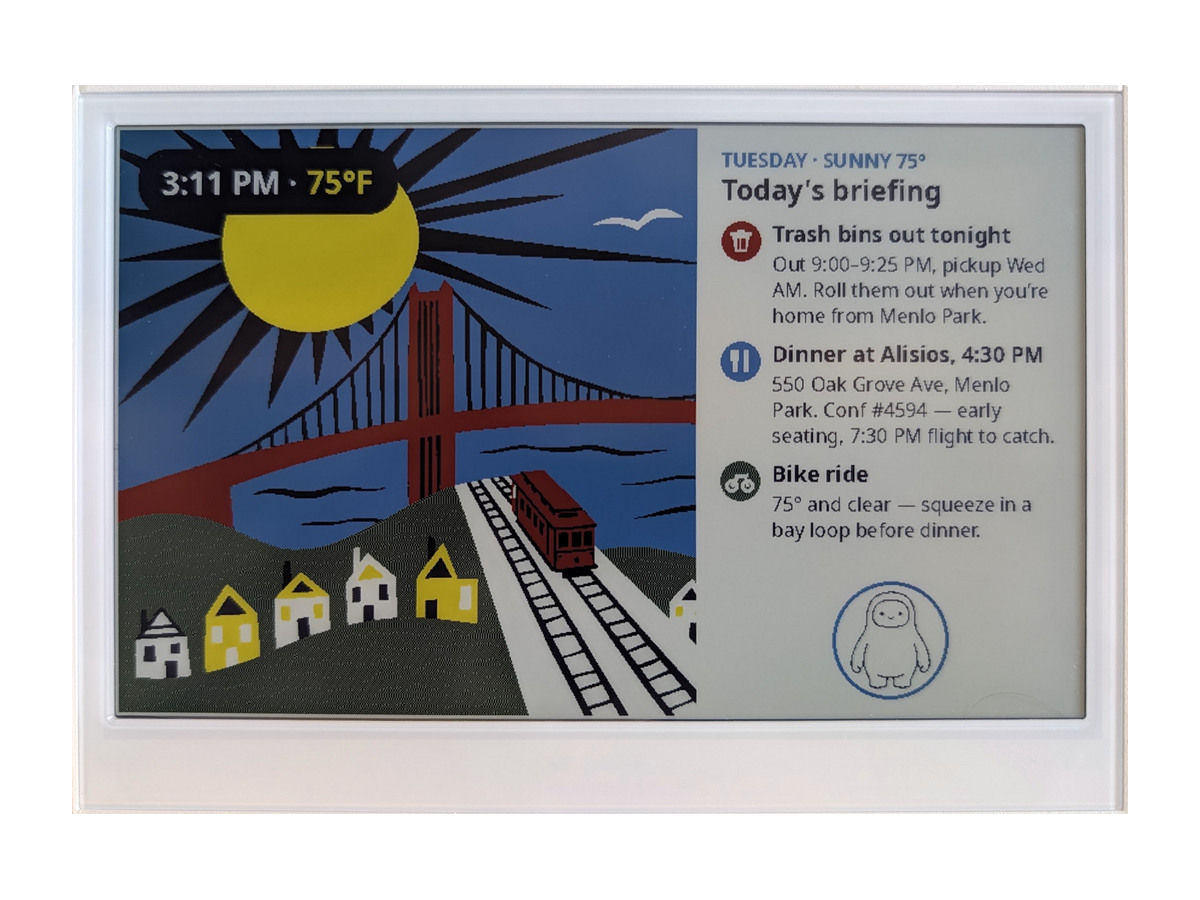
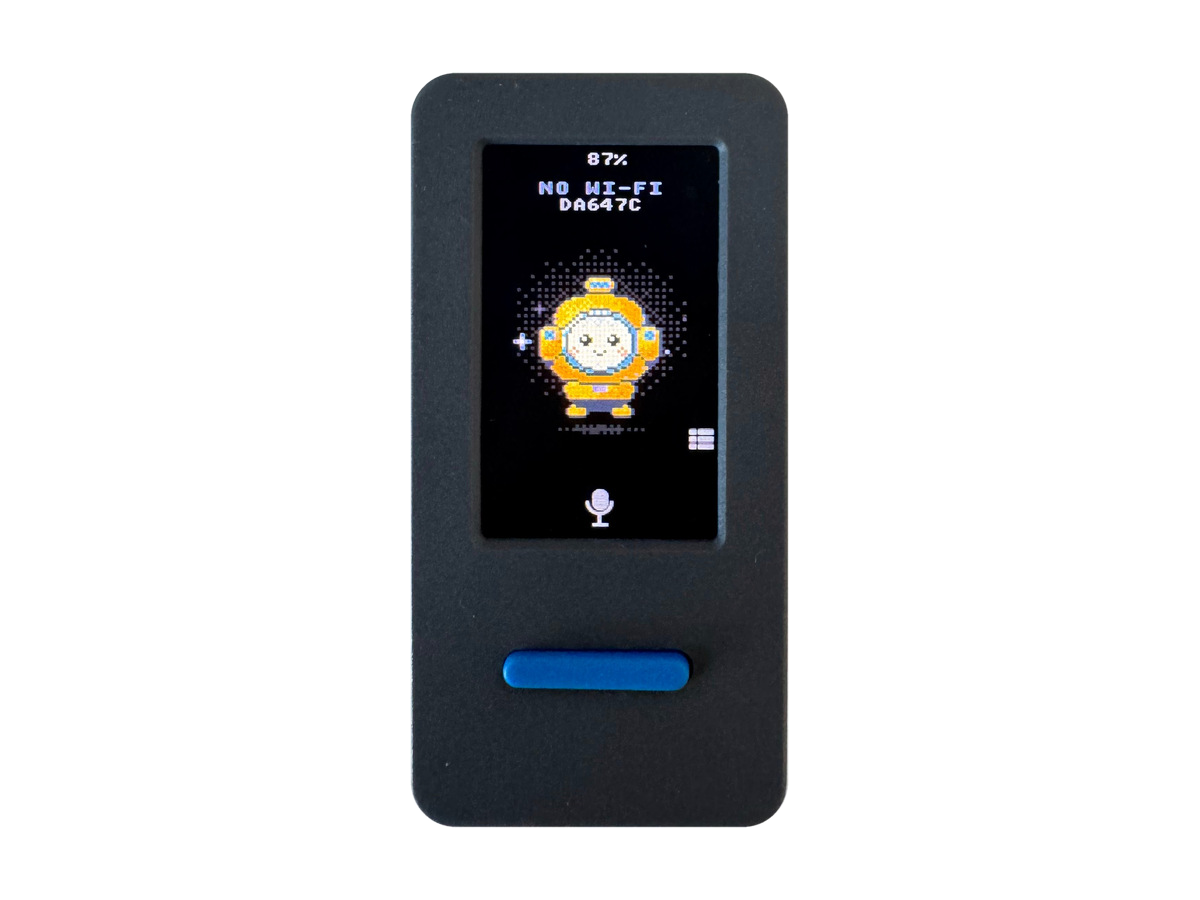
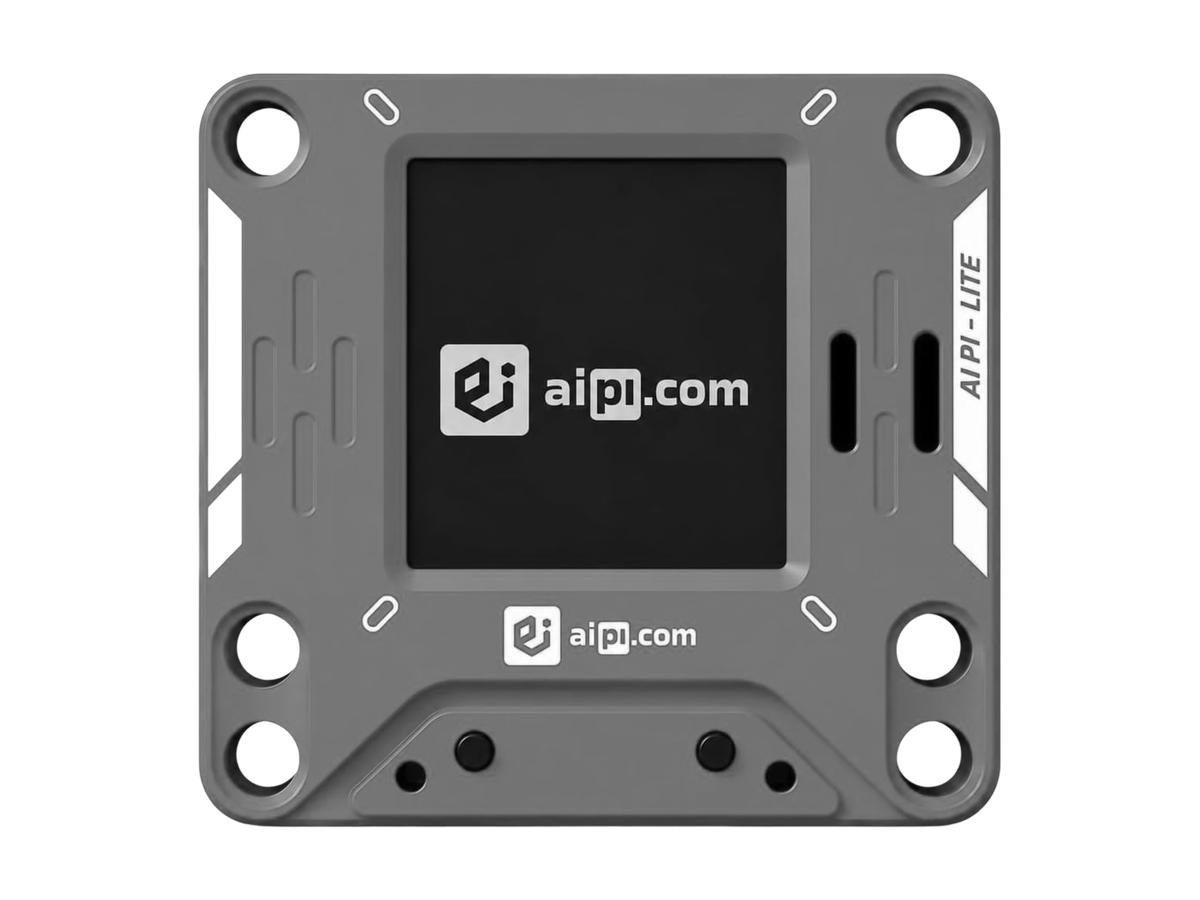
Devices shown here are made and sold by other companies, and Meta doesn’t endorse or warrant them. Names and logos belong to their owners.