Speak to most parents of teenagers and you’ll probably hear the same concerns crop up: are my kids going out too much? What are they getting up to? Are they drinking with their friends?
Many of us are probably remembering the mischief of our own teenage days – I was certainly having a wild time at that age.
Now that my son is 18, though, I find myself wishing I could share in those ordinary worries. It would be a relief if he were always heading off on nights out – any sign of normal teenage activity would feel great. Instead, he spends most days shut away in his room, and sometimes we go months without seeing his face.
That’s because he has a severe form of body dysmorphic disorder, or BDD, a mental health condition that impacts about 2 per cent of the population. People with BDD fixate on what they see as flaws in their appearance, which can make them feel like they have to hide away from others – 30 per cent of sufferers are rendered housebound by their illness.
It goes far beyond merely thinking “oh, I don’t look good, I don’t want to go out today” – BDD sufferers will genuinely believe that they are so ugly that no one should have to look at them. It remains a misunderstood and overlooked condition, one that is underfunded and very difficult to treat.
As a young boy, my son was a total delight to be around. He was interested in everything, chirpy and quick to laugh – everybody wanted to be his friend. We had no problems at all until he went back to school after lockdown, when he was about 13. He would head to the nurse’s office and say he had to go home, or he would have illnesses that lasted five, six, even seven weeks – behaviour that’s common in school refusers.
What we didn’t realise at the time was that there was a lot of bullying at school. He became self-conscious about how he looked, and about being clumsy because of his dyspraxia, which he was diagnosed with as a younger child. Soon, he was spending barely 50 per cent of the time he should at school, and stopped wanting to go out at weekends.
The insecurity about his features and his skin got worse and worse, and he started to believe that people just couldn’t look at him. He began wearing jumpers or hoodies pulled up around his face, something he still does, and would turn his back to us at mealtimes.
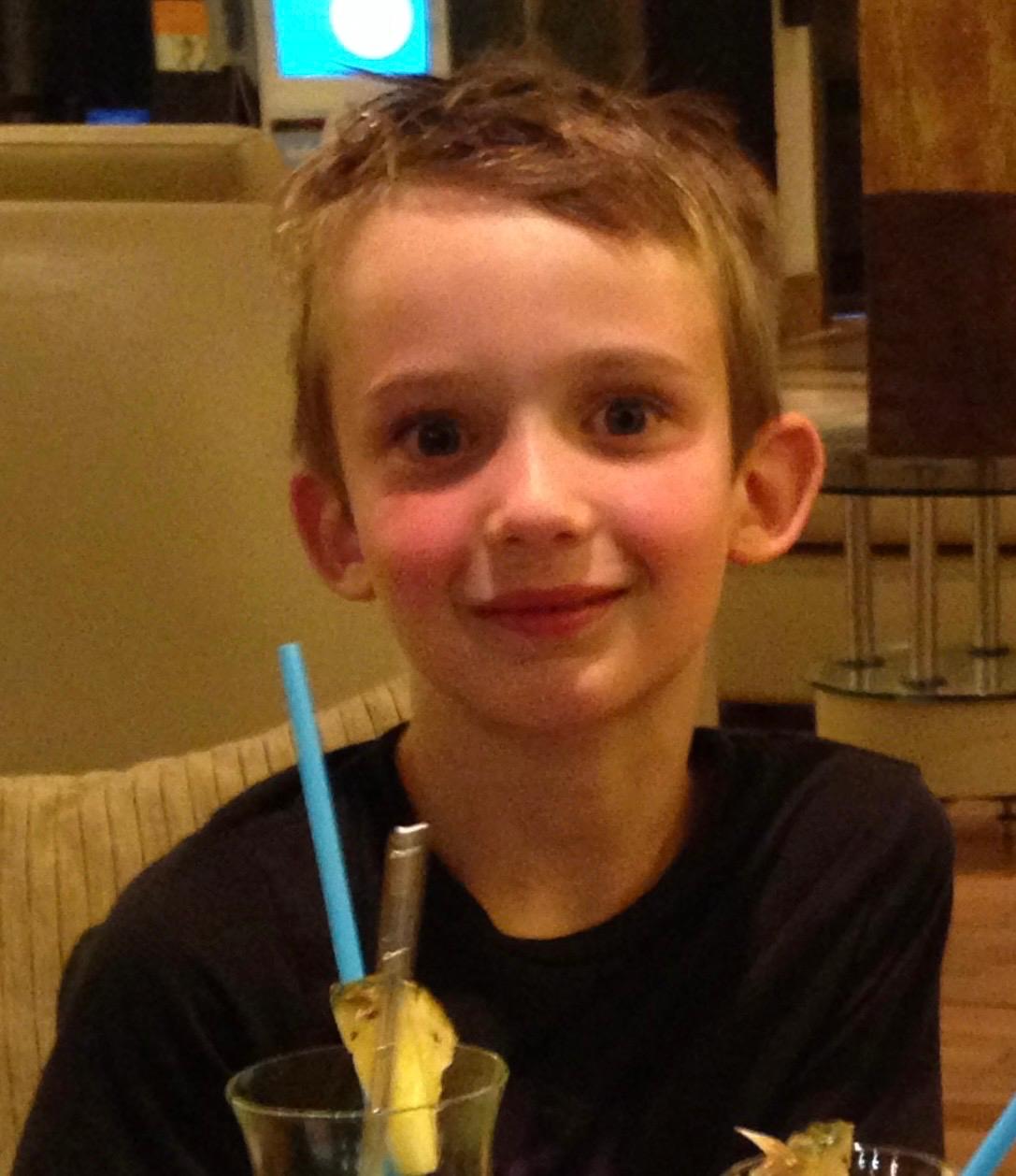
He is still the sweetest boy, but his illness makes communication very tough. Sometimes I’ll say, “OK, keep your face covered, but show me your eyes”, or I’ll sit on his bed in his room, facing away, and tell him how wonderful, beautiful and loved he is – all these things he doesn’t believe. He thinks I just say them because I’m his mum, but I know they’re true.
Initially, I had no idea that there were so few experts in BDD, and that non-specialist practitioners struggled to find effective treatments for it. We took him to see GPs and paediatricians, and when I found a psychiatrist who was available to meet, I was relieved, assuming this would help my son get back on track. But then I noticed that his condition seemed to be deteriorating.
He no longer came downstairs for food, asked my husband and me to leave the room when he entered it, and covered his face when he went out – all on the advice of this psychiatrist. It felt like the worst guidance you could possibly give to a child looking for a reason to hide.
I’ll sit on his bed in his room, facing away, and tell him how wonderful, beautiful and loved he is
We stopped those sessions soon after, but sometimes I still want to scream at myself: how bad would it be now if I had never put him in front of that guy? Would he still feel the need to spend most days locked away? But the wait for proper help can be so long, it’s inevitable that parents like me sometimes make the wrong choices.
Even with the best intent, you can’t always make perfect decisions. The skills that I’ve built through my work as a leadership coach mean I don’t beat myself up too much about these kinds of mistakes. If I didn’t have that resilience, though, I could have ended up in a really dark place – I think a lot of parents do.
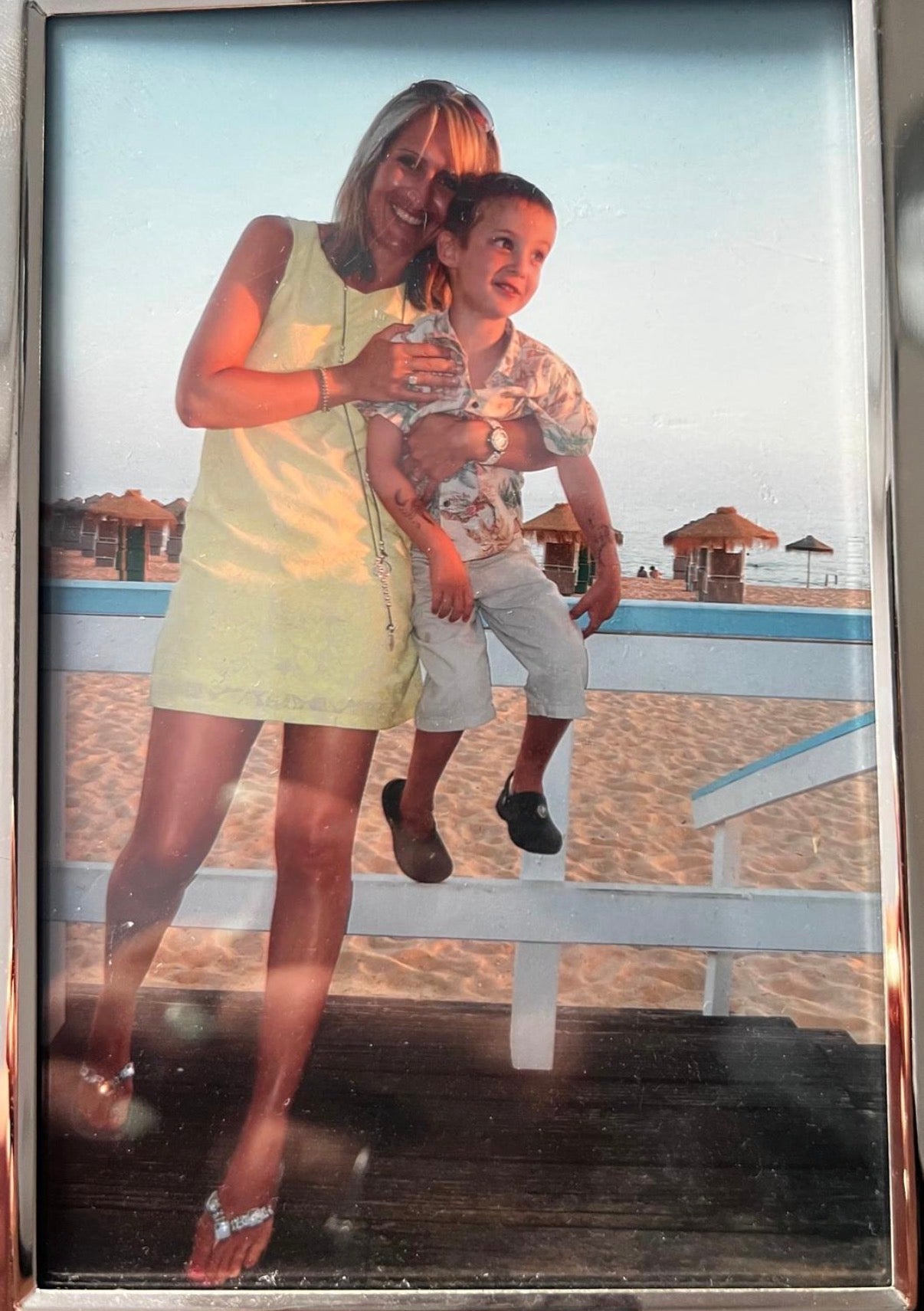
Of course, I’m aware of the irony. I spend my entire working life helping people change unhelpful beliefs and be more confident – yet I can’t even touch the surface with my own son. But a counsellor that I’ve worked with once told me that I can’t be my son’s parent and his therapist; reminding myself of that has been really helpful.
The Body Dysmorphia Disorder Foundation is the only charity that’s solely dedicated to this condition; with them, I’m planning to run some groups for mums and dads, because the emotional strain can be awful, especially when no one else seems to understand. September 3 is the first-ever BDD Awareness Day, and I’m hoping this will start to bring the conversation around the condition into the mainstream. The more curious and the kinder we can be about this topic, the more helpful it would be for everybody.
After dealing with that first psychiatrist, we found another doctor who diagnosed my son with BDD. Another psychiatrist, a proper expert in the condition, also noticed that he was impacted by ADHD. Getting from the point when we first started seeing the problems to figuring out the condition to getting treatment took nearly two and a half years – and thousands of pounds in counselling.
Unless you’re living alongside BDD and can see how bad it is, you have no idea just how debilitating it can be
As a parent, I have faced so many disparaging comments and eye rolls from others. I’ve had people say, “Oh, they’re just being vain. They’re just being lazy, they just don’t want to go to school”. And I get it. Before my son’s illness, I might have done the same too. But unless you’re living alongside BDD and can see how bad it is, you have no idea just how debilitating it can be. My son knows he’s not living a normal life, and he’s not doing this because he wants to.
He started at sixth form college when the illness was at its worst, and eventually we had to pull him out for his own health; this was before he had started taking medication to help with the symptoms. Last year he was able to start studying for his A-levels online, and he’s doing really well with those. But he’s not sure if he wants to go to university, or if he’s capable of doing that.
The whole family has been affected by my son’s condition. We’ve had to invest so much time in him, which hasn’t been easy for our older daughter. And his grandparents find it deeply upsetting. When we managed to get him downstairs for five minutes at Christmas, my mother-in-law burst into tears. She hadn’t seen him for months, and she didn’t really recognise him.
Birthday celebrations have been out of the question too. I’ll remember his 18th for all the wrong reasons – no photos, no party, no joy, just a card and a few presents.
The fact that he will soon be able to attend a specialised treatment programme has helped me stay positive. Last December, we were told that he had a place at a hospital unit, but the waiting list was about a year long, so we are counting down the days. Part of it will involve cognitive behavioural therapy, which should help him deal with the negative beliefs he holds about himself, and there’ll also be exposure therapy, slowly putting him into situations that he finds tough.
It isn’t a fix-all for everybody, and the programme won’t necessarily be the end of the road. But just a few months ago, I was really scared. Now I have hope, and that’s a wonderful thing. It’ll be intense, but I’m optimistic that we’ll start to see a significant change – one that will allow him to go and live how an 18-year-old lad should live.
As told to Katie Rosseinsky