
Transportation Security Administration (TSA) agents have often been in the news recently for some strange reasons. For instance, in mid-February, a TSA worker had allegedly scolded a woman for not wearing anything under her hoodie, which made headlines.
This time, the TSA is making waves again after a traveler filed a lawsuit against the agency. The plaintiff claims that she was forced to enter an Advanced Imaging Technology (AIT) device, which resulted in a severe injury.
TSA Forces A Passenger Through An AIT Device, Causing Severe Spinal Injury

A 12-page complaint filed by Kerry Thomas against the United States of America has recently surfaced. The events narrated in the complaint occurred nearly two years ago, on May 21, 2024, at Atlanta Hartsfield International Airport (ATL).
According to the document, the plaintiff requested a pat-down search at the North TSA checkpoints at ATL to avoid screening in an AIT due to her spinal cord implant. These devices help alleviate pain and are implanted beneath the skin. They work by delivering electrical impulses to the spinal cord and can be destroyed by an AIT’s electromagnetic field.
Despite the woman's request for a pat-down search, a TSA agent told her that her only option was to pass through the AIT device.
“After the Transportation Security Administration employee or agent ignored Plaintiff’s medical identification card and Plaintiff’s pleas to be screened via patdown, the Transportation and Security Administration employee or agent stated, “the only way you are getting on the plane is to go through the machine,” the complaint reads.
Before passing through the device, the plaintiff spoke to another officer, trying to explain the situation, but was told that the AIT machine had been “adjusted” so that it would not damage her spinal cord implant.
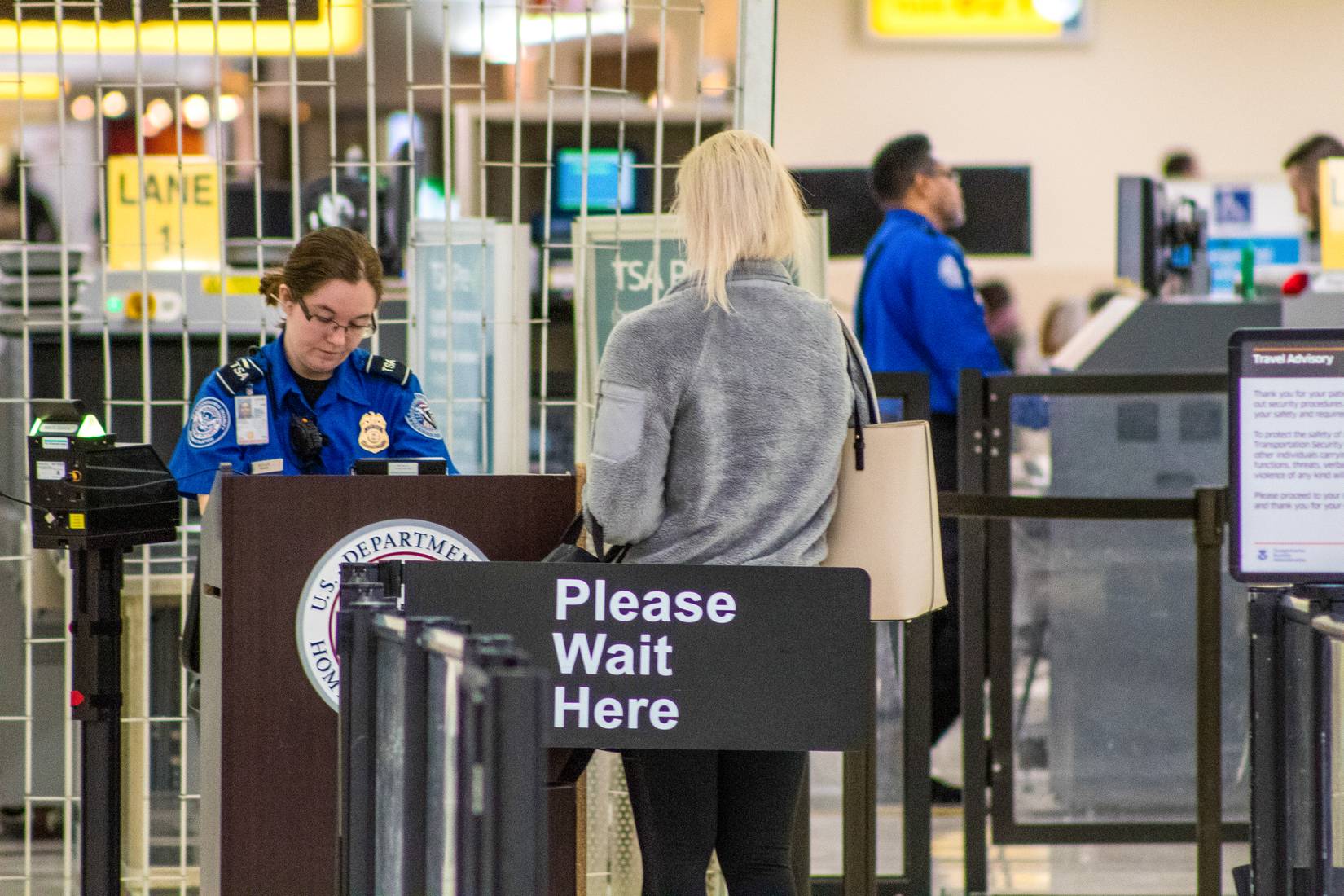
When the passenger entered the AIT device, however, she immediately felt a shock from the electromagnetic charge, which destroyed her spinal cord implant, leaving her in pain. “As a result of Defendant’s negligence, Plaintiff suffered injuries and tangible damages and intangible damages, requiring medical treatment, including surgery,” the complaint reads.
Spinal cord stimulators are used to manage pain caused by a variety of health conditions, including chest pain, back pain, phantom limb pain, neuropathic pain, and spinal cord injuries, among others.
Following the incident, the plaintiff went through an adjudication process with the TSA. However, this proved unsuccessful, leading her to file a lawsuit against the agency. The woman is now seeking an unspecified amount in compensation for the past, present, and future:
- Physical and mental pain and suffering
- Loss of enjoyment of life
- Physical and medical treatment and expenses
- Mental anguish
- Loss of earnings and income
- Loss of ability to work
- Other damages (lost property, permanent injury)
According to the complaint, TSA agents ignored rules that specifically require workers to offer a pat-down search for passengers with medical devices that screening machines may damage.

While AITs are often harmless, they can damage medical devices such as pacemakers, defibrillators, and spinal cord implants. According to the TSA’s official website, passengers with internal medical devices should inform their TSA agent of their medical condition and request a pat-down instead.
“Inform the TSA officer that you have an artificial knee, hip, other metal implant or a pacemaker, defibrillator or other internal medical device. You should not be screened by a walk-through metal detector if you have an internal medical device such as a pacemaker. Consult with your physician prior to flying,” the TSA website states.
In this regard, the complaint states, “One or more of the Transportation Security Administration’s employees or agents knew or should have known that the machine in which Plaintiff was forced to enter had not been recalibrated or adjusted so as to not cause harm to her spinal cord stimulator.”
This wasn't the first time TSA agents had been caught breaking their own rules.
TSA Has Recently Been Caught Breaking Its Own Rules
A passenger recently posted his encounter with a TSA agent on Instagram (see above), sharing his experience as an amputee. He was first denied access to the TSA lane designated for travelers with mobility needs. The traveler was then publicly asked a question about his disability, something in violation of the Americans with Disabilities Act of 1990 (ADA).
In addition, in the summer of 2025, TSA agents denied some passengers the right to opt out of facial recognition, despite the TSA’s official website claiming, “Passengers who have consented to participate may choose to opt-out at any time and instead go through the standard identity verification process by a Transportation Security Officer (TSO).”
These cases highlight the need for better training of TSA workers to be fully aware of the agency’s internal regulations and other U.S. laws that may affect their work. At the moment, it remains unclear whether the traveler whose spinal cord implant was damaged will win the lawsuit and receive compensation.