Survival Instinct Over Grief: Why Do Pets Sometimes Consume Their Deceased Owners?
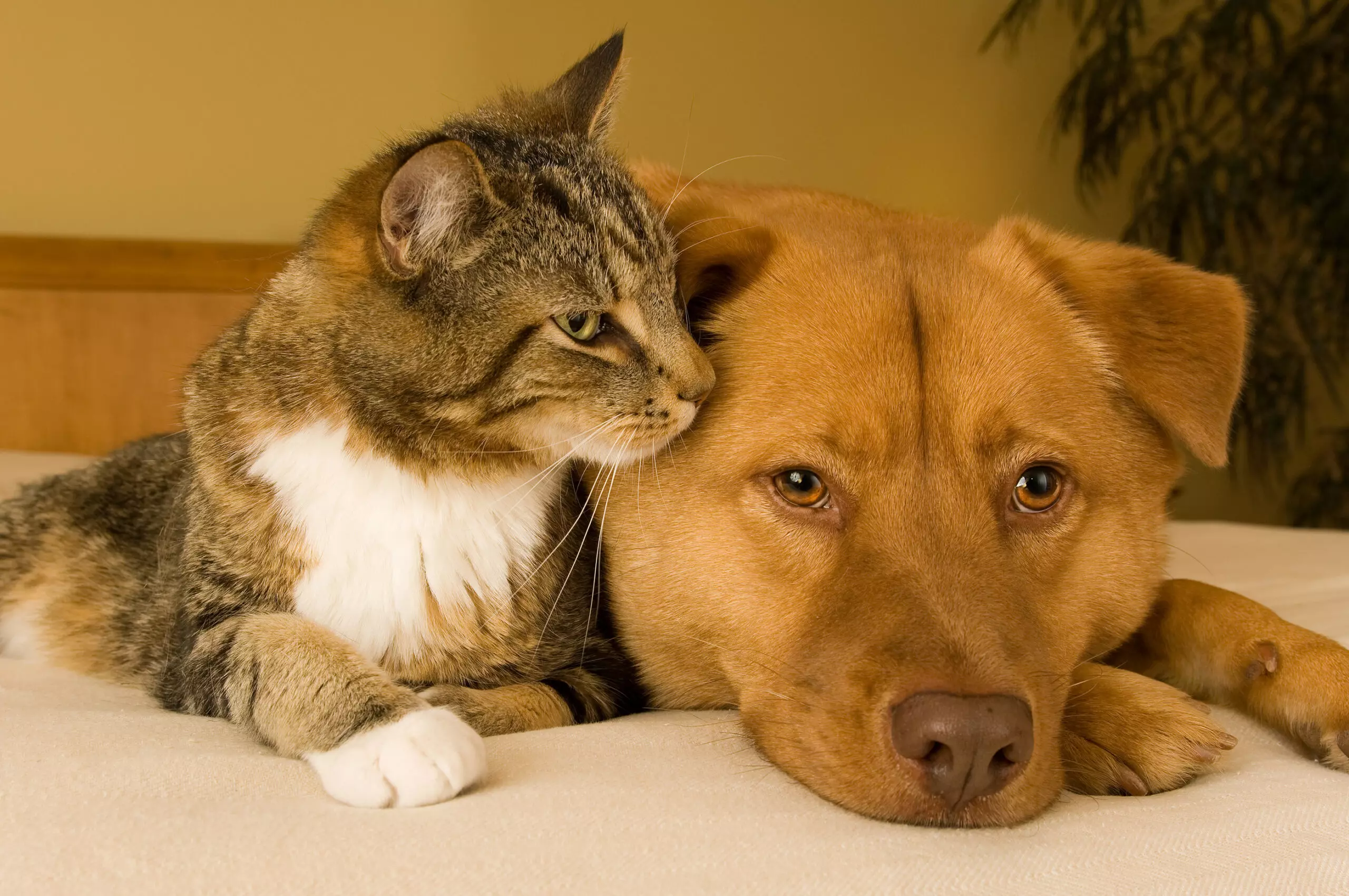
It is a concept as fascinating as it is chilling. For many of us, our dogs and cats are far more than mere companions; they are full-fledged family members, sharing our daily lives, our emotions, and even our beds. Yet, behind the tender gaze of our furry friends lie millions of years of evolution. In cases of isolated deaths, biology sometimes reclaims its rights over affection, leading to a taboo phenomenon: the consumption of the deceased’s body by their own pet.
What biological mechanisms drive a pet to such an act? Is it a loss of attachment, or a pure survival strategy?
The Biology of Urgency: When Hunger Outweighs Attachment
Contrary to popular belief, this behavior is by no means a form of betrayal or lack of love. According to veterinary medicine experts, notably at Cornell University, this action is a direct response to an extreme biological stimulus.
When an owner passes away and the animal is trapped without access to an external food source, a shift occurs. The lack of movement and response from the human sends a clear signal to the animal’s brain: the social partner has become a survival resource. It is no longer the memories of cuddles that guide the animal, but ancestral scavenger reflexes inherited from their wild ancestors.
Social Isolation: The Triggering Factor
This tragic phenomenon occurs almost exclusively in contexts of profound loneliness. The highest-risk profiles are isolated individuals living alone with several animals. In these closed-door environments, the lack of external interaction and the depletion of kibble stocks force the animal to draw from the only available protein source to avoid starvation.
Dogs vs. Cats: Two Different Instinctive Approaches
Behavior regarding the owner’s body varies considerably by species. Their methods reflect their respective ancestors, wild wolves and felines.
| Characteristics | Dog Behavior | Cat Behavior |
| Dietary Profile | Opportunistic scavenger. | Strict and selective carnivore. |
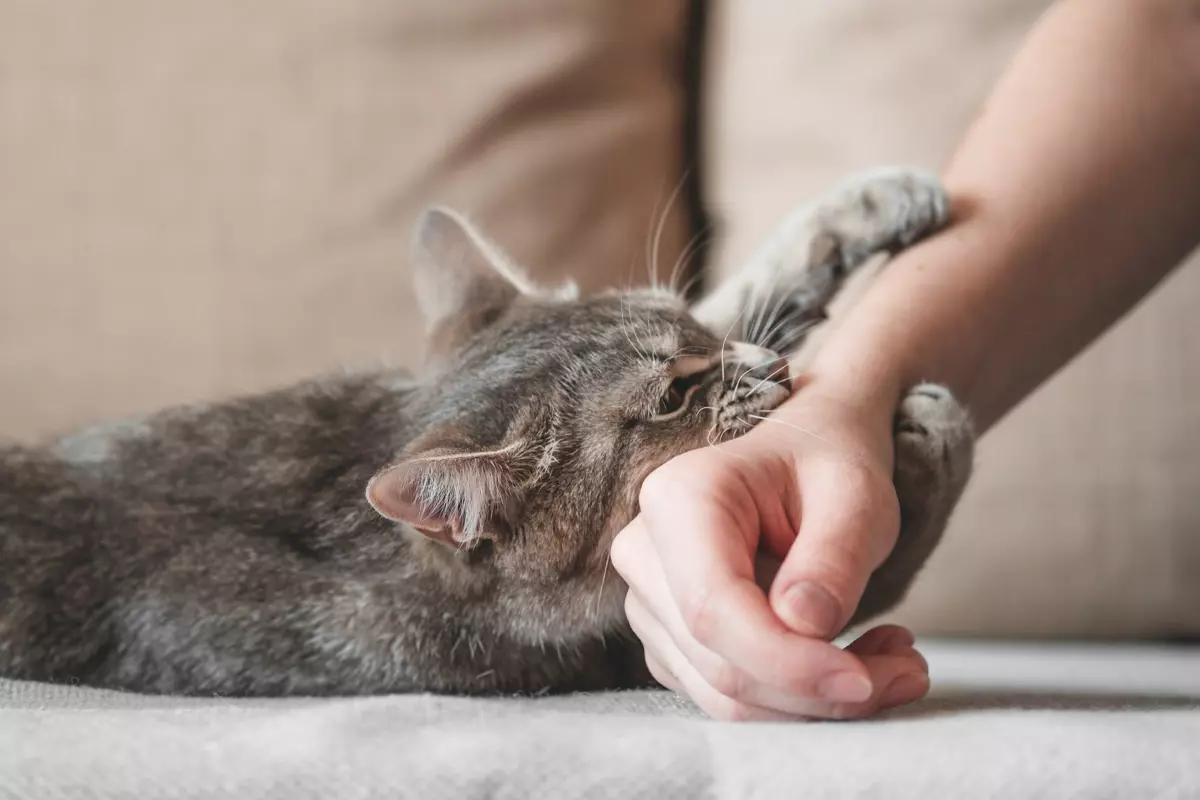
| Target Areas | Soft tissues, but also bones and entire limbs. | Face (nose, lips) and fingertips. |
| Physical Capability | Jaw power allowing for the tearing of tissue. | Localized and delicate nibbling. |
| Alternative | Total dependence on humans for food. | Ability to hunt pests if they have outdoor access. |
Forensic anthropologists often note that the process begins with the animal attempting to “wake up” its owner by licking or nipping. The scent of blood or the decomposition of tissue can then trigger—almost mechanically—the instinct for predation or consumption.
High-Risk Contexts: Hoarding and Insalubrity
Certain environments exacerbate these extreme behaviors. Animal hoarding is often at the heart of the most dramatic cases. When dozens of animals coexist in a cramped and unsanitary space, competition for food becomes fierce.
-
Collective Hunger: In an overcrowded apartment, social pressure within the pack or group of cats accelerates the behavior.
-
Pre-existing Neglect: Animals that are already malnourished will react much faster to the death of their caregiver.
Cases have been reported where dozens of felines, left to their own devices in conditions of sanitary distress, consumed a large portion of their owner’s remains in just a few days.
Prevention and Ethical Perspective: How to Avoid These Tragedies?
Rather than stigmatizing the animal, animal health authorities and social workers emphasize prevention. This is not a pathology of the animal, but a breakdown of the human social bond.
-
Social Support: Maintain regular contact with elderly or isolated individuals who own pets.
-
Spaying/Neutering and Care: Limit the animal population in a single household to reduce resource needs.
-
Emergency Solutions: Designate a trusted contact capable of intervening quickly to feed the animals in the event of a prolonged absence or accident.
Conclusion: A Raw Biological Truth
In conclusion, while this phenomenon may clash with our romanticized view of the human-animal relationship, it remains a testament to the resilience of life. Consuming one’s owner is not an act of malice, but the ultimate manifestation of the domestic animal survival instinct. It serves as a reminder that, despite the sofas and plastic toys, our four-legged companions remain biological beings governed by immutable natural laws.