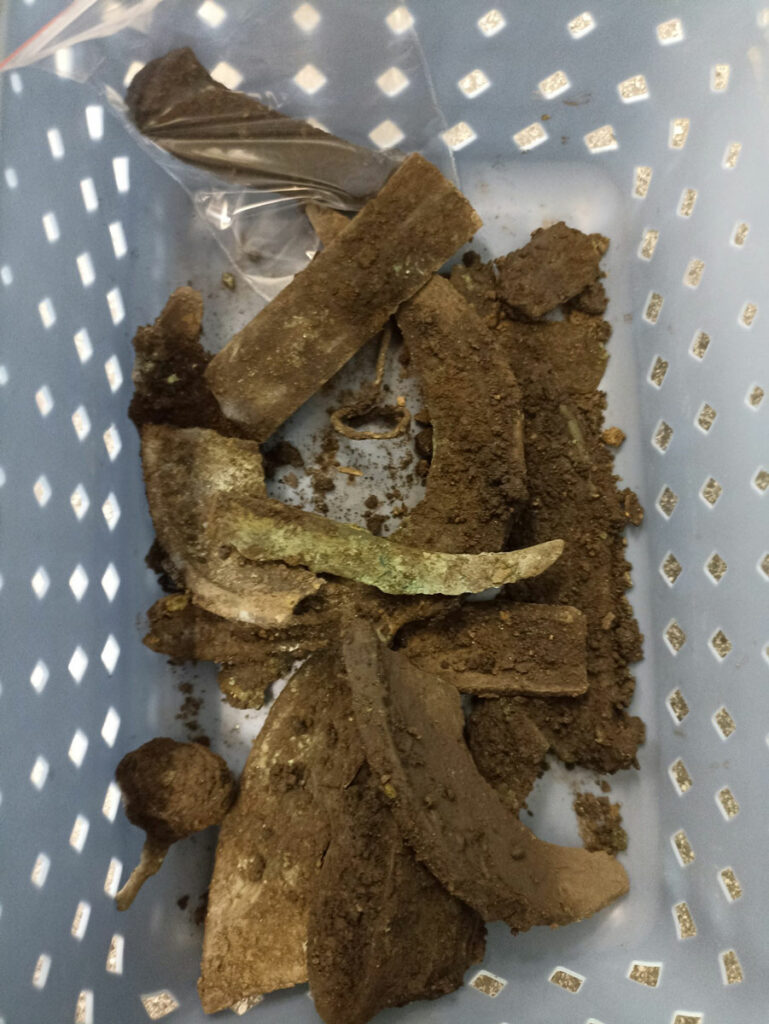
KOJETÍN, CZECH REPUBLIC—Europe Says reports that archaeologists recovered a hoard of bronze objects from an ancient wetland outside of Kojetín in central Moravia. The rare and exceptional discovery was made while a team from the Olomouc Archaeological Center were monitoring construction work along the Brno–Přerov railway line. Dozens of bronze items were intentionally deposited there by members of the Urnfield culture more than 3,000 years ago. These include bronze ingots, fragments of various decorative ornaments, and several bronze tools, including sickles and swords. Many of the items had been deliberately damaged before they were buried. Eight sickles had been purposefully bent and a sword blade had been smashed by a heavy blow from a chisel or ax. Experts do not believe that the treasure was buried for safekeeping or was intended to be retrieved at a later date and reused. Instead, they suggest that the objects were deposited in the wetland as part of a ritual ceremony, perhaps to appease water spirits or to mark a significant event. To read about a golden bowl produced by the Urnfield culture, go to "A Shining Example."
Courtesy Daniel Berger
(Courtesy Museo dell’Accademia Etrusca e della Città di Cortona; © DeA Picture Library/Art Resource, NY)
(Archäologie-Büro Dr. Woidich/Sergiu Tifui)
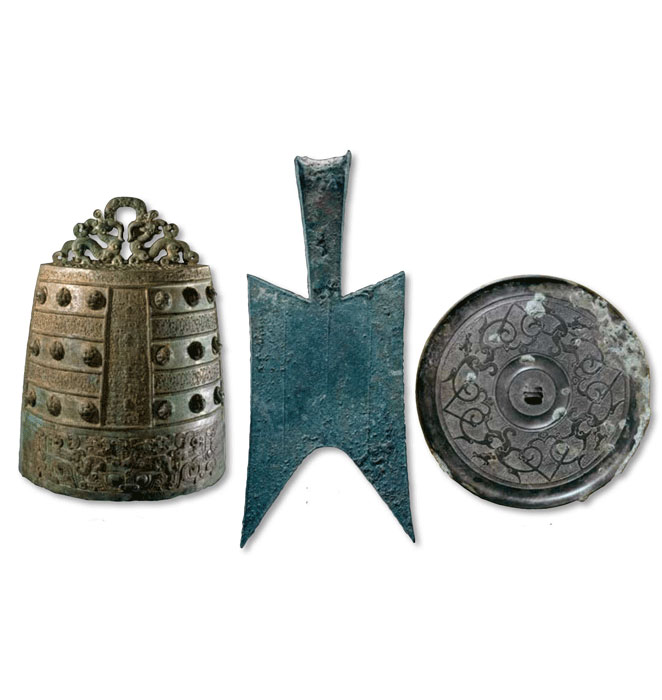
(© The Trustees of the British Museum)
-
Features July/August 2026
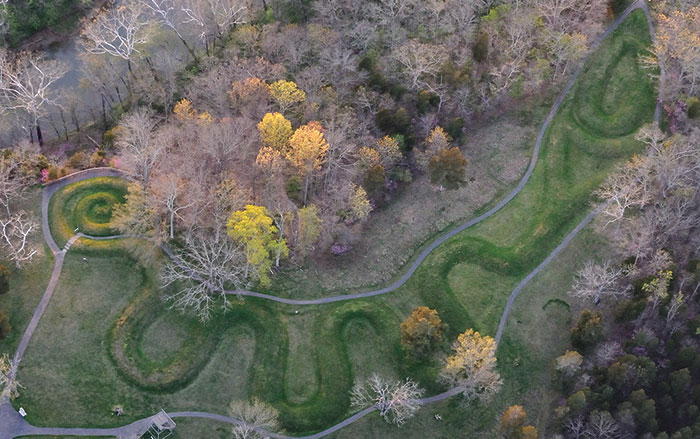
Secrets of the Serpent
Is a Native American origin story embedded in Ohio’s colossal earthwork?
Read Article
Timothy E. Black
-
Features July/August 2026
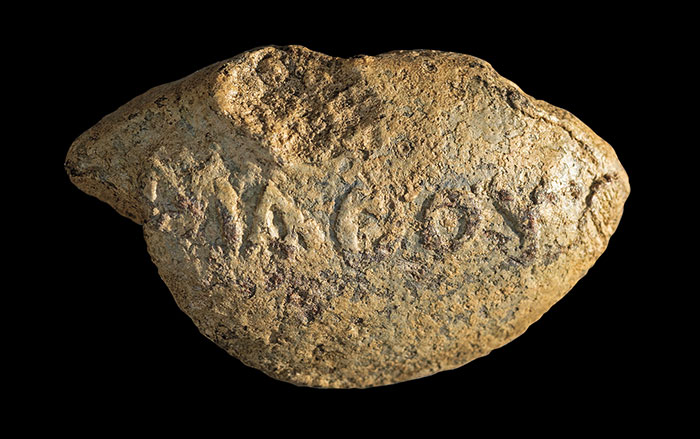
Slinging Insults
Greek and Roman soldiers fired pointed barbs at their enemies
Read Article
Courtesy Michael Eisenberg
-
Features July/August 2026
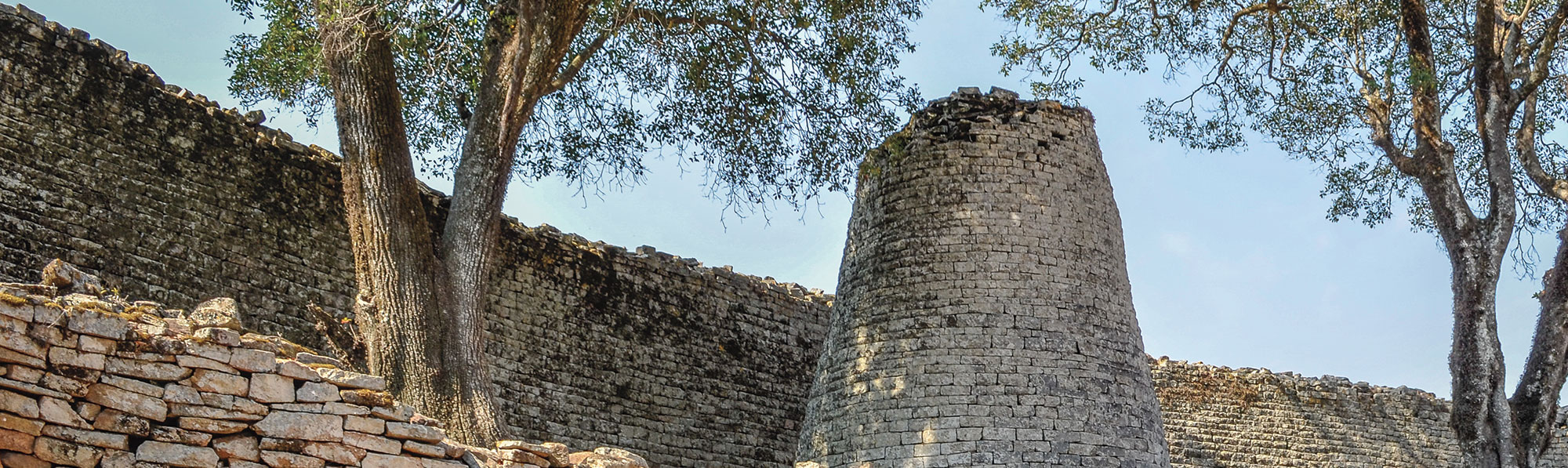
Inside Africa’s Houses of Stone
Archaeologists are rethinking how kings shared power beyond the great capitals of medieval Zimbabwe
Read Article
Ad/AdobeStock
-
Features July/August 2026
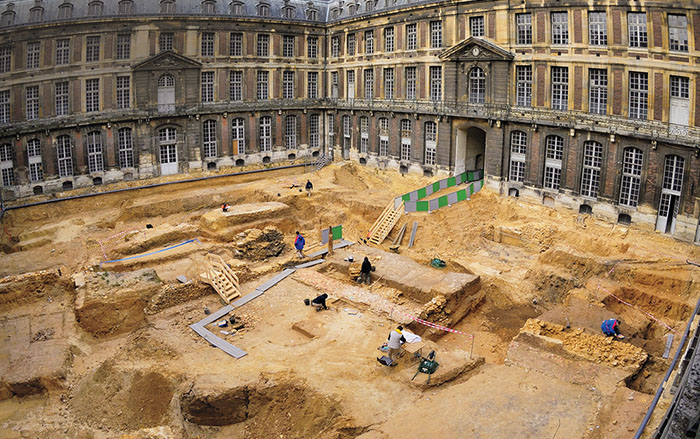
Tennis, Anyone?
Discovering the origins of the peculiar racket game that swept sixteenth-century France
Read Article
© Denis Gliksman, Inrap