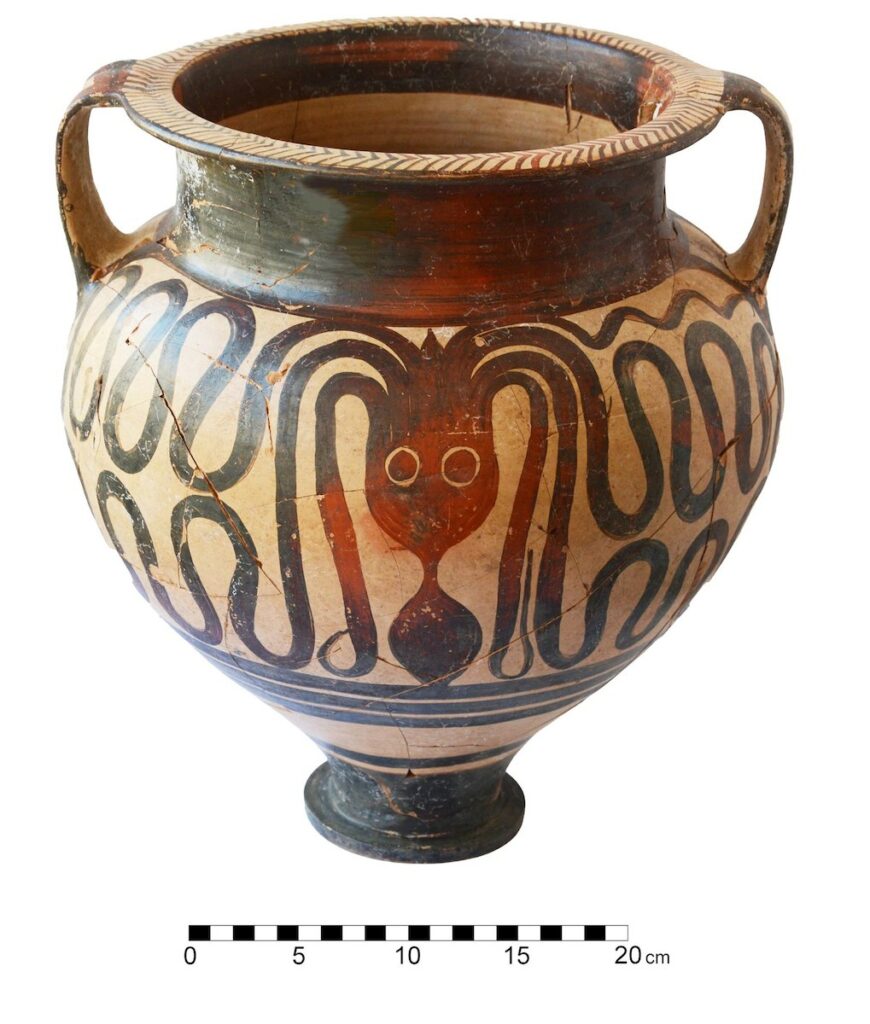
LARNAKA, CYPRUS—Kathimerini Cyprus reports that chamber tombs dated to the fourteenth century B.C. have been uncovered at the archaeological site of Hala Sultan Tekke, a Bronze Age port city on the southern coast of Cyprus. Copper mined from the island’s Troodos Mountains was processed locally and shipped out from Hala Sultan Tekke, producing great wealth. Archaeologist Peter M. Fischer of the University of Gothenburg said that the tombs had been reused for generations before they collapsed in antiquity, damaging some of their contents. DNA analysis of the human remains could reveal kinship ties among the dead, who are thought to have been elites involved in copper export and international trade. Among the luxury goods recovered from the tombs, Fischer and his colleagues have identified local pottery, pottery from Sardinia, and pottery imported from Greece, Crete, and other islands in the Aegean Sea; ivory objects and alabaster vessels from Egypt; lapis lazuli from Afghanistan; carnelian from India; and Baltic amber made into beads and a scarab. To read more about excavations at Hala Sultan Tekke, go to "In the Time of the Copper Kings."
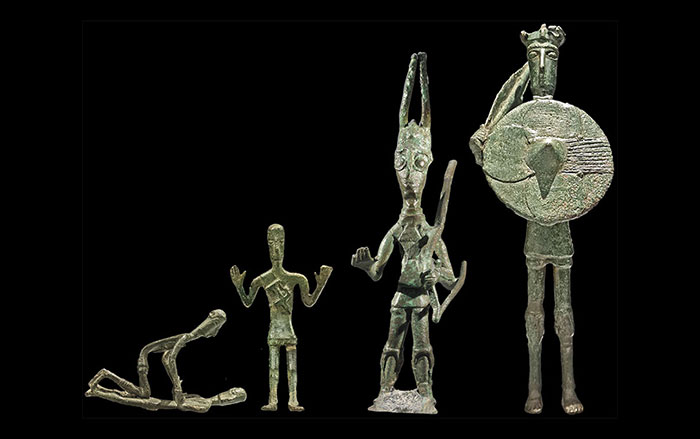
Courtesy Daniel Berger
Top 10 Discoveries of 2025 January/February 2026
Crete's Inner Circles
Papoura Mountain, Greece
Read Article
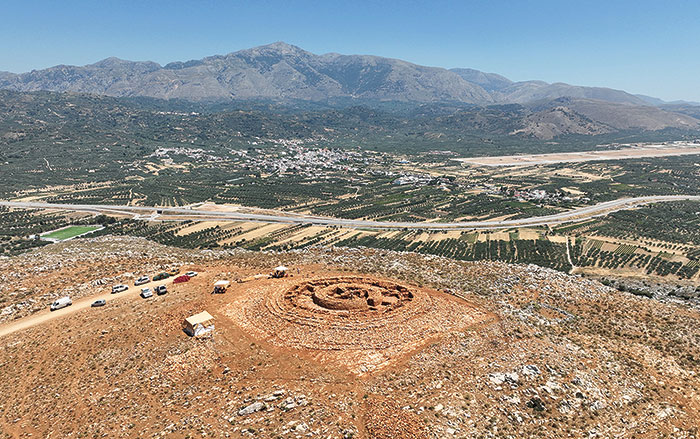
George Drakonakis/Ephorate of Antiquities of Heraklion
Features November/December 2025
Oasis Makers of Arabia
Researchers are just beginning to understand how people thrived in the desert of Oman some 5,000 years ago
Read Article
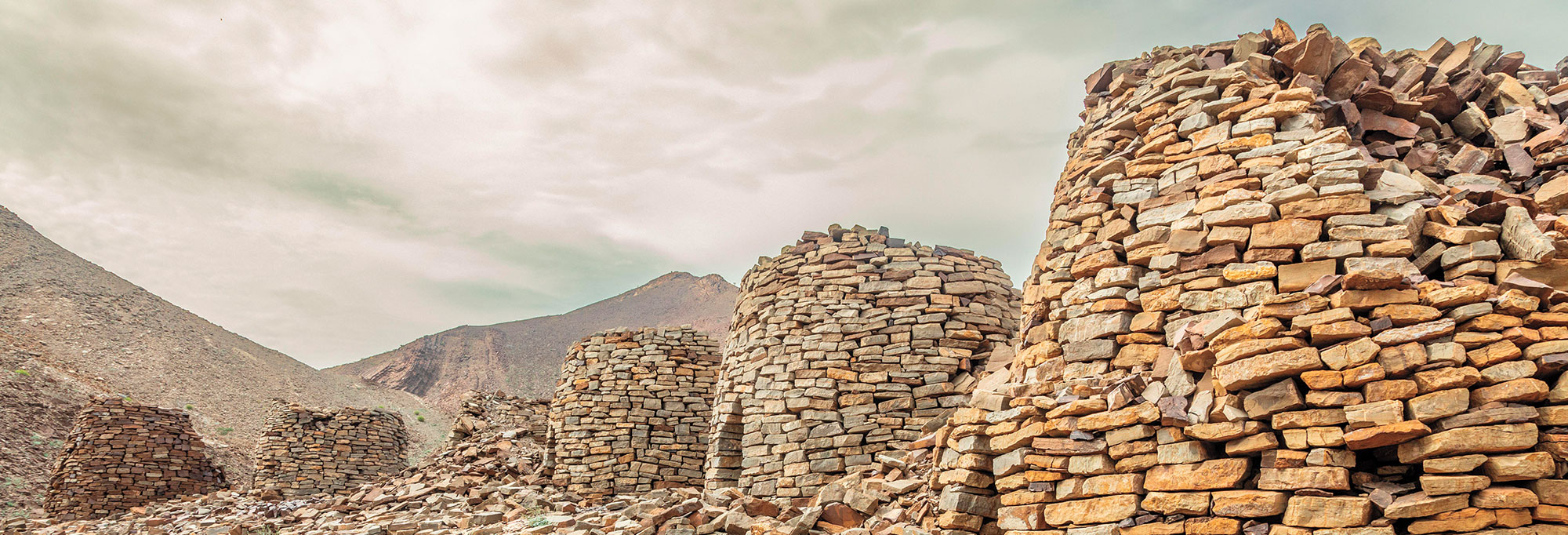
Vadim Nefedov/Alamy
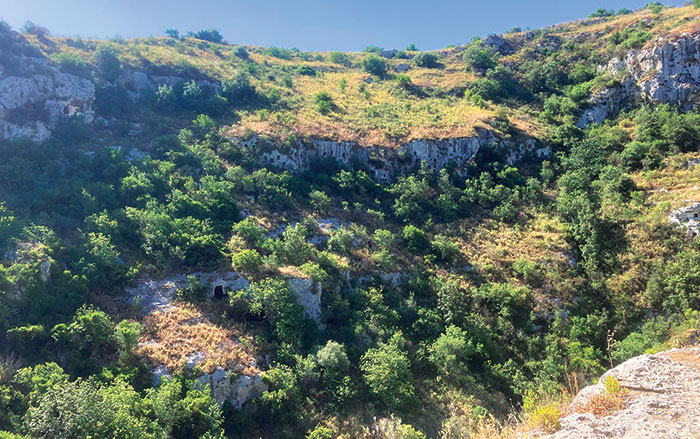
Photo by Ilana Herzig
-
Features January/February 2026
The Cost of Doing Business
Piecing together the Roman empire’s longest known inscription—a peculiarly precise inventory of prices
Read Article
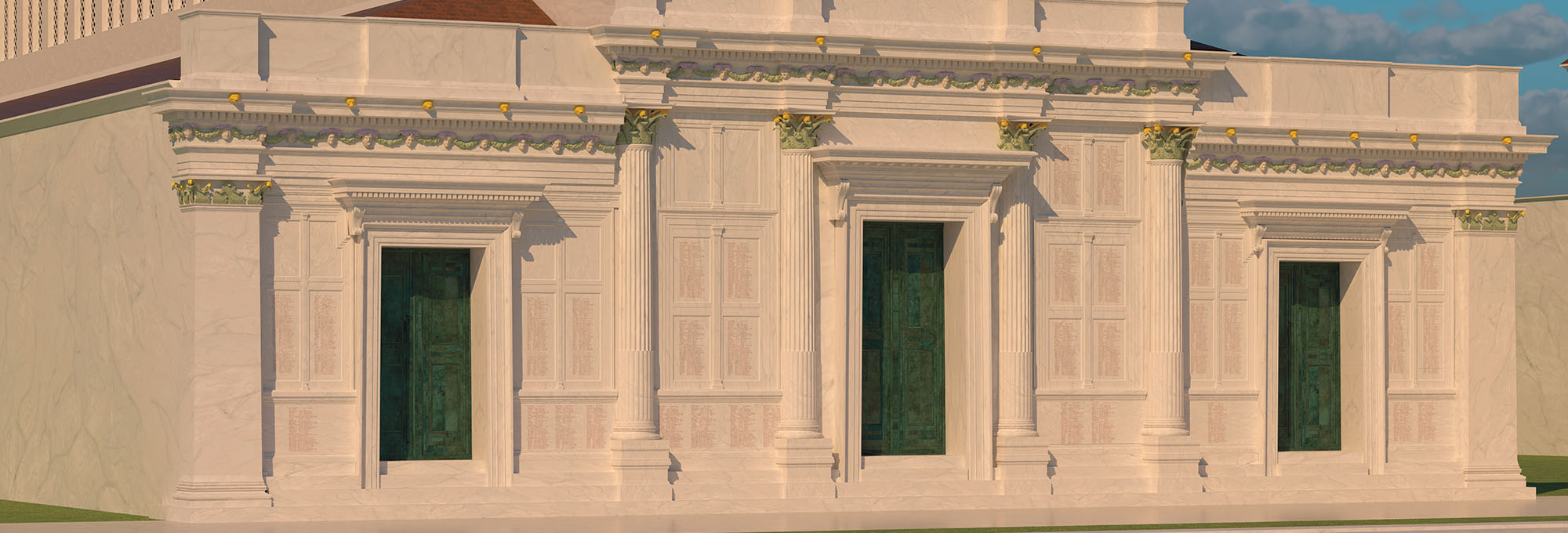
Ece Savaş and Philip Stinson
-
Features January/February 2026
The Birds of Amarna
An Egyptian princess seeks sanctuary in her private palace
Read Article
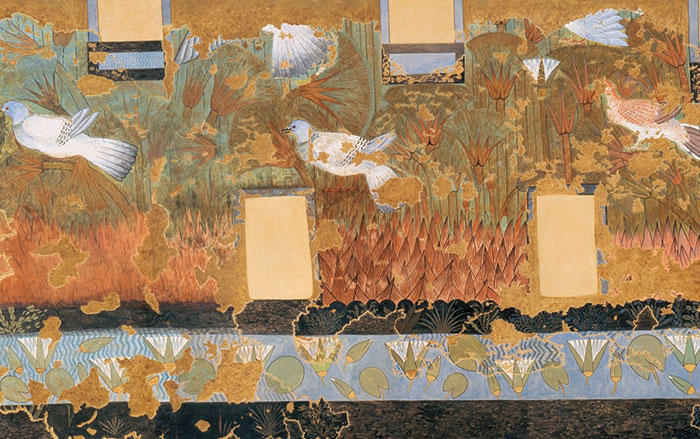
The Metropolitan Museum of Art, New York/ Rogers Fund, 1930
-
Features January/February 2026
Taking the Measure of Mesoamerica
Archaeologists decode the sacred mathematics embedded in an ancient city’s architecture
Read Article

Courtesy Claudia I. Alvarado-León
-
Features January/February 2026
Stone Gods and Monsters
3,000 years ago, an intoxicating new religion beckoned pilgrims to temples high in the Andes
Read Article

Courtesy John Rick