
Many Canadians are standing their ground and continuing to fully embrace their U.S. travel boycott (except in Alberta, where locals are still planning trips to the U.S.). Canada's boycott has had drastic consequences for the U.S. travel sector, especially for communities near the border that have relied on their northern neighbors as a source of tourism for decades.
However, Canadians are beginning to feel the consequences of their own boycott, too. Interestingly, their boycott has now backfired in the most unexpected way, leading to more stringent border controls for Canadians seeking to cross into the U.S.
Here's why their U.S. travel boycott is leading to more “thorough” checks at the U.S.-Canada border, which are making it much more challenging for Canadians to enter the United States.
Why Canada’s U.S. Travel Boycott Is Leading To “More Detailed” Border Controls
Canadians crossing into the U.S. are now facing more detailed controls, which are, in part, a consequence of their travel boycott. As fewer Canadians are crossing the border each day, U.S. Customs and Border Protection (CBP) authorities have more time to examine each individual in more detail, which is leading to longer wait times and greater scrutiny of Canadians trying to enter the U.S.
During an interview with CTV News, Canadian immigration law specialist Warren Creates said:
“The adjudication at the border is a lot more thorough, a lot more detailed, and perhaps at times a lot more hostile. It’s (...) because there are fewer travelers. Which means these same officers have more time to spend on each examination, that is to say, each person presenting in front of them.”
According to Warren Creates, this is only one of two key reasons why Canadians should expect longer and “more hostile” border controls. The other is linked to the Trump Administration's decision requiring CBP officers to be more rigid in their controls.
Back on January 20, President Donald Trump signed the Protecting American People Against Invasion executive order, which implemented stricter measures for non-U.S. citizens entering the country, including Canadians.
Canadians Urged To “Feed The Baby The Pablum”
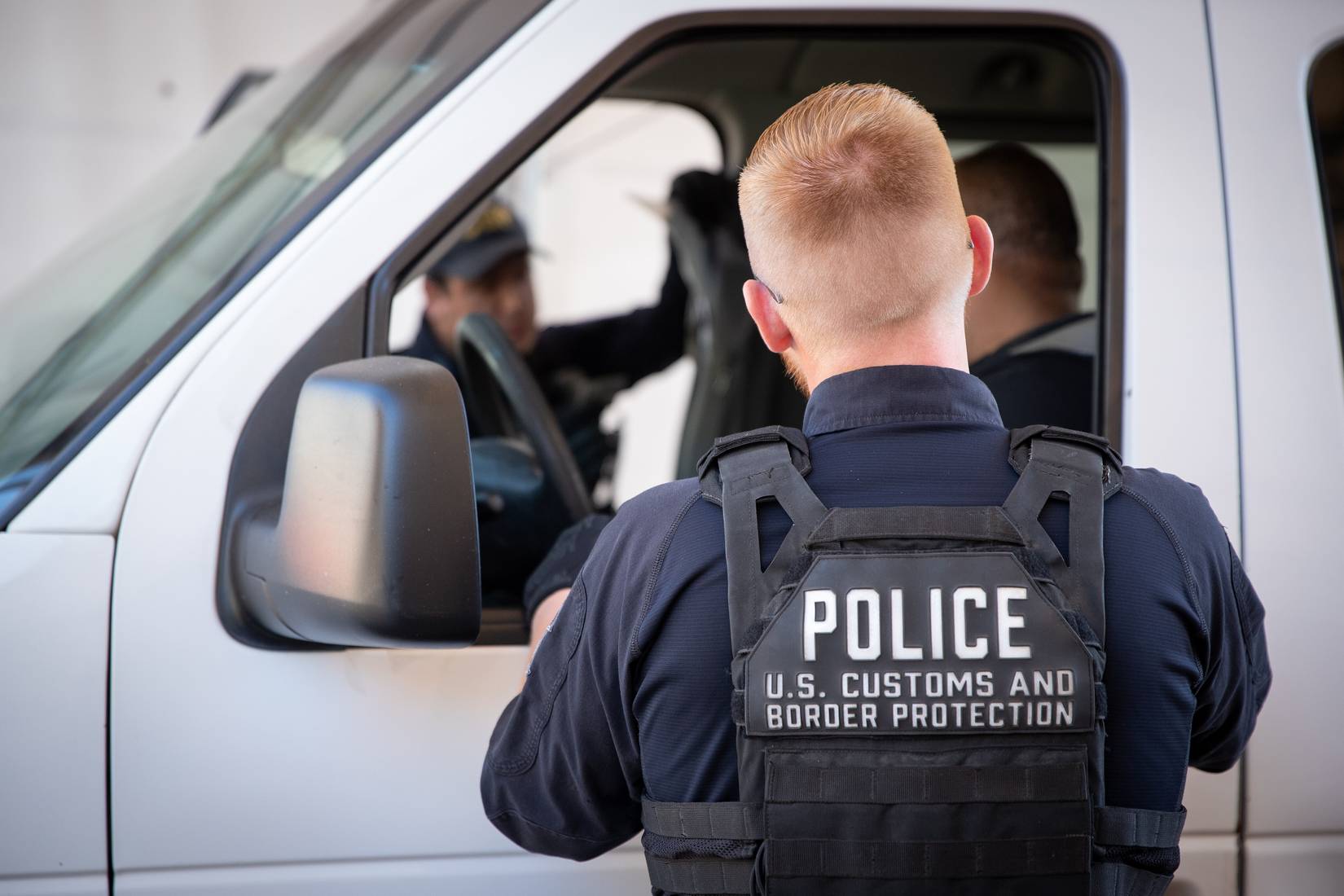
After decades of crossing the border with minimal hassle, Canadians are becoming increasingly annoyed by the confusing border-crossing rules introduced by the Trump Administration.
Under the Protecting American People Against Invasion executive order, all foreign visitors planning to stay in the U.S. for more than 30 days are required to complete an I-94 form and register with the U.S. Citizenship and Immigration Services.
In addition, from December 26, controls will expand with new mandatory fingerprinting and photographs. To people concerned about their crossing, Warren Creates suggests "feeding the baby the pablum.”
"Canadians need to be prepared, (...) bringing documents to authenticate, to verify, and corroborate the oral examination. (...) Oral officers want to see third-party authentication or verification. They want to see that the Canadians are domiciled in Canada (...) and are going to America for a temporary purpose (...). The traveler needs to take documents proof of their domicile, their home, their rents, their tax paid, their bank accounts, so that they are self-sustaining,” said Creates.
In general, Canadians should be able to prove that they live in Canada and are staying in the U.S. only temporarily. According to Creates, as long as Canadians provide officers with everything they need, everything should be “smooth and easy.” But what if there’s a snag?
Creates advises Canadians to avoid trying to reach the U.S. through another crossing and instead to determine which documents are missing and try again once all the necessary papers have been collected.
Still, the more detailed border controls are only one of the ways Canadians are also experiencing the consequences of the travel boycott.
A Year Into The Boycott, Canadians Are Also Feeling Other Consequences (Besides Tighter U.S. Border Controls)

According to data released by Statistics Canada on November 12, in October 2025, the number of Canadian resident return trips by car from the U.S. was down by 30.5% compared to last year. This had drastic repercussions for the U.S. travel sector.
|
Statistics Canada Data |
|
|---|---|
|
Number of Canadian-resident return trips by car from the U.S. in October 2025 |
1.4 million |
|
Decline compared to October 2024 |
-30.5% |
|
Number of U.S.-resident trips to Canada by car in October 2025 |
1 million |
|
Decline compared to October 2024 |
-0.7% |
Data published on October 1 by the U.S. Travel Association found that “Total inbound travel spending is forecast to fall 3.2% to $173 billion for the year.” The report claims that the Canadian boycott is the “primary driver of this decrease.”
But Canadians are also starting to feel the consequences of the travel boycott, besides just tighter border checks; domestic travel in Canada is becoming more expensive as demand increases.

Many Reddit users in Canada have been claiming they can no longer afford domestic travel. This has created a paradoxical situation in which flying to Europe can be cheaper than traveling to a different Canadian province.
"We had big plans to drive to Whitehorse. Too expensive. Thought flying + rental car to Whitehorse from Timmins. Too expensive. Looked at train from Winnipeg to Churchill. Too expensive. Ended up going to Prague for 10 days," wrote a Reddit user.
For now, it seems many Canadians will continue to support the travel boycott in the months to come, despite its repercussions. Only time will tell how long it will take before Canadians start crossing the border again, and whether the new measures implemented by the Trump Administration will affect the number of people choosing to visit the U.S.